Thursday, September 26, 2013
Family Business
Over the past few decades, I've had several experiences with family businesses. None were my family (which probably is the reason I've had to work so hard in my career). But they are a special breed of entrepreneurial endeavor. Recently, I was interviewed for an article in the Harvard Business Review about a fictional (at least the names were changed to protect the guilty) family business. Attached is a link to that article. The Ex-CEO Contemplates a Coup.


Sunday, March 17, 2013
Back to School
Last Thursday I made what has become an annual pilgrimage to Cambridge, Massachusetts for a set of MBA classes at Harvard Business School and MIT's Sloan School. In the classes, a combination of professors lead by Noam Wasserman present the Les is More X 4 case that was created several years ago. Each year is both humbling and invigorating. Humbling in hearing these smart students pick apart my actions at the various CEO engagements that I've had. (I sure wish I had carried around a pocket sized HBS class with me before I did some of the things I did.) Invigorating, in that I get energized by the exuberance of the students and their intellectual prowess and innovative thinking.

This year however was a bit different than the four years prior. First of all I was set up to do five classes in one day at the two Universities -three at Harvard and then two at MIT. Even just physically, it is difficult to get "up" for each of five classes in about 8 hours of duration, as well as navigating through Cambridge across the river (Charles) and between these two schools. But perhaps more interesting is how the day started and ended.
Typically I arrive on the Harvard campus about an hour before the first class. This was no exception. I was greeted by Matthew O'Connell, Professor Noam Wasserman's assistant. He ushered me into Noam's office where we touched based about the logistics for the upcoming day. This year, Magnus Thor Torfason, Assistant Professor of Business Administration, was joining in the fun and has been teaching a 3rd section of Founders' Dilemmas at HBS. Our cordial conversation started off as usual with Noam mentioning innocently along the way that a partner from Northbridge Venture Partners would be attending the class as a guest. Apparently Noam had not put together the name, Michael Skok with the case itself and was unaware that Michael was actually the Board member at Active Endpoints that had at the end of the case been the lead board member who fired me. Awkward was an understatement. Noam asked whether we should make different plans. We both agreed that we would proceed as usual with Noam making me promise not to change anything about the way we had gone about presenting the case in the past. For the uninitiated, the case ends with me playing the role of Michael as the student plays me, negotiating his role as CEO.
In any event, the class went on as planned. I was quite aware of trying not to hold anything back and when it got to the time where I played my board in a mock phone call with the student, I gave as real a rendition of what actually happened as I could.
So how did Michael react? He paid what perhaps could have been the ultimate compliment to me and to Noam the author of the case. He said that he emphatically believed that what we had portrayed was completely authentic! In the event that I have not, over the past 7 years, been able to vent my emotion over what happened that infamous spring, I now am over it!
And so you ask, how did the ending top that?
 In the last class which took place at MIT, I was finally and comfortably situated in the classroom in advance of the class. Professor Matt Marx and I had decided that I would not be introduced to the class until about half way through when the students had (incorrectly as always) voted on what they expected the outcome of the Active Endpoints case would be. Shortly after the class started, while interrogating my actions at Metaserver, my first venture as CEO, one of the students who was exasperated by the stupidity of one of my actions blurted out: "Les needs to put on his big boy pants" in order to become more mature in my approach.
When it came time for the vote and the class all voted as usual that I would save the day, Matt innocently points to me in the back of the room and asked whether or not the class was correct. When I answered, I suggested that I would have to pause for a moment in advance and "put on my big boy pants" first. The class erupted in laughter. And the student who had made this statement was embarrassed. But it was all in good fun and education as I took the floor and answered the eager questions from the students.
Afterward, by the way, I told the student to make sure he never backs down when he has thoughts like he did. Because, although it might have been awkward to hear, he no doubt was correct!
Tuesday, January 1, 2013
Becoming Advocates of our Own Healthcare
Each year executives across the country are faced with tough decisions regarding the provision of health care insurance to their employees. Questions like what type of coverage to provide, how much employees should contribute towards this insurance, and which employees are covered, are coming under much more scrutiny than in the past.
The idea of employers owning the burden of providing health care insurance in the United States originated less than two generations ago during WWII. Then employers found offering health insurance to be a way to get around the wage freezes, as an enticement to attract scarce workers. In 1945, when President Truman failed to get his sweeping national healthcare programs passed, corporations offering health care insurance steadily became a standard part of the employment relationship that has continued through today.

Health insurance programs, usually offered to full time employees, have taken much of the risk of health care coverage from American employees. However this risk has been replaced by a sort of malaise when it comes to employees making intelligent health care consumption choices. Since many insurance programs don't discriminate among the various choices for the provision of health care services (for example choosing to visit your hospital emergency room for a bad cold), employees often don't act like smart consumers when it comes to health care choices. Employees who fail to consider the most effective venues and treatments for their illnesses contribute to increasing costs of healthcare and significant inefficiencies in our system.
But as we all are becoming aware, our healthcare system in the US is changing, as are the ways in which we insure against these ever rising costs. During the Obama administration our federal government has made the furthest inroads yet on prescribing who and how Americans procure health insurance. A prolonged recession is putting extraordinary pressure on US corporate profits, causing executives to rethink this grand bargain. Technology is expanding the choices available to treat illness and extend life expectancy.
Does the relationship between what has become the benevolent corporation expected to offset the health insurance costs of the individual still make sense in the 21st century?
I personally believe it is time to rethink this bargain. We must use market demand, consumer choice, and free market pressures to balance and align health care as we do in so many other consumer markets. As employers we owe it to our employees not just to help subsidize the extraordinary cost of consuming health care through the offering of health care insurance, but also to help them make good choices.
One way we ought to consider changing the status quo is by offering subsidized health savings accounts coupled with high deductible insurance programs in lieu of many existing health insurance programs. High deductible plans mean that for the first several thousand dollars of an employee's annual health care spend, they actually pay this out of their pocket. I expect that involving the employee in actually paying real money for their health care consumption might encourage them to ask more questions, be more selective in their services, and think about costs rather than just plunking down their employer backed insurance cards. Subsidizing health savings accounts will help to take the sting out of the high deductibles paid by the employee - but still require the employee to physically pay the bills.
The cost to employers for offering these types of plans should end up being a wash. High deductible health insurance should cost less than other plans. That savings could be used to fund the subsidies for the HSAs. Healthy employees can keep the money in their HSA and roll it over year to year, gaining value and maintaining that as a rainy day fund should their employment relationship change or something catastrophic occur.
As employers we need to start thinking about these kind of alternatives as our small way of participating in finding a solution to escalating medical care costs.
The idea of employers owning the burden of providing health care insurance in the United States originated less than two generations ago during WWII. Then employers found offering health insurance to be a way to get around the wage freezes, as an enticement to attract scarce workers. In 1945, when President Truman failed to get his sweeping national healthcare programs passed, corporations offering health care insurance steadily became a standard part of the employment relationship that has continued through today.
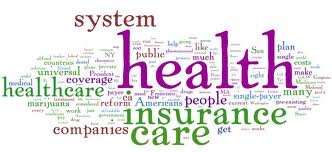
Health insurance programs, usually offered to full time employees, have taken much of the risk of health care coverage from American employees. However this risk has been replaced by a sort of malaise when it comes to employees making intelligent health care consumption choices. Since many insurance programs don't discriminate among the various choices for the provision of health care services (for example choosing to visit your hospital emergency room for a bad cold), employees often don't act like smart consumers when it comes to health care choices. Employees who fail to consider the most effective venues and treatments for their illnesses contribute to increasing costs of healthcare and significant inefficiencies in our system.
But as we all are becoming aware, our healthcare system in the US is changing, as are the ways in which we insure against these ever rising costs. During the Obama administration our federal government has made the furthest inroads yet on prescribing who and how Americans procure health insurance. A prolonged recession is putting extraordinary pressure on US corporate profits, causing executives to rethink this grand bargain. Technology is expanding the choices available to treat illness and extend life expectancy.
Does the relationship between what has become the benevolent corporation expected to offset the health insurance costs of the individual still make sense in the 21st century?
I personally believe it is time to rethink this bargain. We must use market demand, consumer choice, and free market pressures to balance and align health care as we do in so many other consumer markets. As employers we owe it to our employees not just to help subsidize the extraordinary cost of consuming health care through the offering of health care insurance, but also to help them make good choices.
One way we ought to consider changing the status quo is by offering subsidized health savings accounts coupled with high deductible insurance programs in lieu of many existing health insurance programs. High deductible plans mean that for the first several thousand dollars of an employee's annual health care spend, they actually pay this out of their pocket. I expect that involving the employee in actually paying real money for their health care consumption might encourage them to ask more questions, be more selective in their services, and think about costs rather than just plunking down their employer backed insurance cards. Subsidizing health savings accounts will help to take the sting out of the high deductibles paid by the employee - but still require the employee to physically pay the bills.
The cost to employers for offering these types of plans should end up being a wash. High deductible health insurance should cost less than other plans. That savings could be used to fund the subsidies for the HSAs. Healthy employees can keep the money in their HSA and roll it over year to year, gaining value and maintaining that as a rainy day fund should their employment relationship change or something catastrophic occur.
As employers we need to start thinking about these kind of alternatives as our small way of participating in finding a solution to escalating medical care costs.
Tuesday, October 23, 2012
The Boys of Fall
It's baseball playoff time and appropriately, Carlos Beltran has taken center stage as a slugging star for the St. Louis Cardinals. Those of you who are baseball fans will recall Carlos played for my beloved Mets for several years, coming off his great post season with Houston. His time in New York was checkered. But I will always remember him for the at bat I have documented below in a game the Mets had every chance to win, Endy Chavez made his miraculous catch, and ... well read on and you will hear the passion that I have for the guys from Queens and how Carlos fared there in the 2006 playoffs. Just like everything else in Baseball, it has implications that go way beyond the game.
 Bottom of the ninth inning. Seventh game of a best of seven series. Bases loaded, two outs, the home team down by two runs. First pitch, a fastball heading right down the middle of the plate. The batter bears down, carefully watches the pitcher’s release, checks the spin on the ball and … continues to watch as the first strike settles into the catches outstretched glove. Behind 0 and 1, he knows now that the pitcher is coming right after him. The home crowd roars, all on their feet. They know fate is with them. Otherwise, why would the left fielder have caught that ball that clearly was destined to put this series on ice several innings before. It had to be fate that allowed him to jump higher than any human could possible have gone and clutch the ball in the most remote heights of the leather webbing of his well worn glove, white still showing, coming down hard against the wall and still holding on. But not just holding on, maintaining his composure to turn and whirl a strike to the cutoff man who then tossed to the first baseman for an inning ending double play, preserving this moment.
The moment of now, when with one swing of the bat, the series would be tied again, or maybe even over, in the home team’s favor. The pitcher winds and pitches, coming straight down the middle again. This time the batter knows where it is headed and loads and swings. The ball dodges his bat falling harmlessly on the ground several inches from the batters feet.
Well fate works this way, doesn’t it? In fact, fate wouldn’t have it any other way. Why would success come with one strike when it would be even sweeter with two. Relaxed now, realizing that his success is preordained. This is the moment that he has been dreaming about all his life. For thirty years he has toiled and ached and practiced to put himself in this position. He’s proven himself as worthy of the privilege of bringing joy to the thousands there live to see his heroics and millions watching electronically in their homes. Kids staying up way too late, pleading with their parents that this is a one in a lifetime opportunity and that school tomorrow doesn’t matter this much. This is the year. The very first time in their short lives that a championship would be won by their team.
Two outs, bottom of the ninth, bases loaded, two strikes. The pitcher stares in at the catcher’s signal. But it’s clear to all 55,000 plus souls in the stadium and everyone else paying attention that wherever this pitch starts, it will end up somewhere in the lush green grass that still covers the field, even with the chill of autumn taking hold. Somewhere in a void between fielders. Somewhere just far enough out of the reach of outstretched glove to give the base runners a chance to round the diamond with the tying and winning runs. Or maybe even beyond all that in the dark shadows beyond the outfield wall. The pitch is headed for the plate. Again, right down the middle. The batter prepares for what he knows is the inevitable. He coils ready to pounce. The pitch continues its trajectory. It’s a foregone conclusion of what the batter is going to do. Fate has taken hold.
And then….the ball thuds into the catcher’s glove. The fans moan, the umpire calls the third strike. The visitors rush the mound. The batter, more capable than almost any human being who ever walked this planet, of launching that little white sphere 500 feet, is just standing there. In the same position he started, full of potential and opportunity, well prepared by having practiced and performed this very same action thousands of times over the past eight months and before that as well. The season is over.
CARLOS, YOU CAN’T GET A HIT IF YOU DON’T TAKE A SWING!
Bottom of the ninth inning. Seventh game of a best of seven series. Bases loaded, two outs, the home team down by two runs. First pitch, a fastball heading right down the middle of the plate. The batter bears down, carefully watches the pitcher’s release, checks the spin on the ball and … continues to watch as the first strike settles into the catches outstretched glove. Behind 0 and 1, he knows now that the pitcher is coming right after him. The home crowd roars, all on their feet. They know fate is with them. Otherwise, why would the left fielder have caught that ball that clearly was destined to put this series on ice several innings before. It had to be fate that allowed him to jump higher than any human could possible have gone and clutch the ball in the most remote heights of the leather webbing of his well worn glove, white still showing, coming down hard against the wall and still holding on. But not just holding on, maintaining his composure to turn and whirl a strike to the cutoff man who then tossed to the first baseman for an inning ending double play, preserving this moment.
The moment of now, when with one swing of the bat, the series would be tied again, or maybe even over, in the home team’s favor. The pitcher winds and pitches, coming straight down the middle again. This time the batter knows where it is headed and loads and swings. The ball dodges his bat falling harmlessly on the ground several inches from the batters feet.
Well fate works this way, doesn’t it? In fact, fate wouldn’t have it any other way. Why would success come with one strike when it would be even sweeter with two. Relaxed now, realizing that his success is preordained. This is the moment that he has been dreaming about all his life. For thirty years he has toiled and ached and practiced to put himself in this position. He’s proven himself as worthy of the privilege of bringing joy to the thousands there live to see his heroics and millions watching electronically in their homes. Kids staying up way too late, pleading with their parents that this is a one in a lifetime opportunity and that school tomorrow doesn’t matter this much. This is the year. The very first time in their short lives that a championship would be won by their team.
Two outs, bottom of the ninth, bases loaded, two strikes. The pitcher stares in at the catcher’s signal. But it’s clear to all 55,000 plus souls in the stadium and everyone else paying attention that wherever this pitch starts, it will end up somewhere in the lush green grass that still covers the field, even with the chill of autumn taking hold. Somewhere in a void between fielders. Somewhere just far enough out of the reach of outstretched glove to give the base runners a chance to round the diamond with the tying and winning runs. Or maybe even beyond all that in the dark shadows beyond the outfield wall. The pitch is headed for the plate. Again, right down the middle. The batter prepares for what he knows is the inevitable. He coils ready to pounce. The pitch continues its trajectory. It’s a foregone conclusion of what the batter is going to do. Fate has taken hold.
And then….the ball thuds into the catcher’s glove. The fans moan, the umpire calls the third strike. The visitors rush the mound. The batter, more capable than almost any human being who ever walked this planet, of launching that little white sphere 500 feet, is just standing there. In the same position he started, full of potential and opportunity, well prepared by having practiced and performed this very same action thousands of times over the past eight months and before that as well. The season is over.
CARLOS, YOU CAN’T GET A HIT IF YOU DON’T TAKE A SWING!
 Bottom of the ninth inning. Seventh game of a best of seven series. Bases loaded, two outs, the home team down by two runs. First pitch, a fastball heading right down the middle of the plate. The batter bears down, carefully watches the pitcher’s release, checks the spin on the ball and … continues to watch as the first strike settles into the catches outstretched glove. Behind 0 and 1, he knows now that the pitcher is coming right after him. The home crowd roars, all on their feet. They know fate is with them. Otherwise, why would the left fielder have caught that ball that clearly was destined to put this series on ice several innings before. It had to be fate that allowed him to jump higher than any human could possible have gone and clutch the ball in the most remote heights of the leather webbing of his well worn glove, white still showing, coming down hard against the wall and still holding on. But not just holding on, maintaining his composure to turn and whirl a strike to the cutoff man who then tossed to the first baseman for an inning ending double play, preserving this moment.
The moment of now, when with one swing of the bat, the series would be tied again, or maybe even over, in the home team’s favor. The pitcher winds and pitches, coming straight down the middle again. This time the batter knows where it is headed and loads and swings. The ball dodges his bat falling harmlessly on the ground several inches from the batters feet.
Well fate works this way, doesn’t it? In fact, fate wouldn’t have it any other way. Why would success come with one strike when it would be even sweeter with two. Relaxed now, realizing that his success is preordained. This is the moment that he has been dreaming about all his life. For thirty years he has toiled and ached and practiced to put himself in this position. He’s proven himself as worthy of the privilege of bringing joy to the thousands there live to see his heroics and millions watching electronically in their homes. Kids staying up way too late, pleading with their parents that this is a one in a lifetime opportunity and that school tomorrow doesn’t matter this much. This is the year. The very first time in their short lives that a championship would be won by their team.
Two outs, bottom of the ninth, bases loaded, two strikes. The pitcher stares in at the catcher’s signal. But it’s clear to all 55,000 plus souls in the stadium and everyone else paying attention that wherever this pitch starts, it will end up somewhere in the lush green grass that still covers the field, even with the chill of autumn taking hold. Somewhere in a void between fielders. Somewhere just far enough out of the reach of outstretched glove to give the base runners a chance to round the diamond with the tying and winning runs. Or maybe even beyond all that in the dark shadows beyond the outfield wall. The pitch is headed for the plate. Again, right down the middle. The batter prepares for what he knows is the inevitable. He coils ready to pounce. The pitch continues its trajectory. It’s a foregone conclusion of what the batter is going to do. Fate has taken hold.
And then….the ball thuds into the catcher’s glove. The fans moan, the umpire calls the third strike. The visitors rush the mound. The batter, more capable than almost any human being who ever walked this planet, of launching that little white sphere 500 feet, is just standing there. In the same position he started, full of potential and opportunity, well prepared by having practiced and performed this very same action thousands of times over the past eight months and before that as well. The season is over.
CARLOS, YOU CAN’T GET A HIT IF YOU DON’T TAKE A SWING!
Bottom of the ninth inning. Seventh game of a best of seven series. Bases loaded, two outs, the home team down by two runs. First pitch, a fastball heading right down the middle of the plate. The batter bears down, carefully watches the pitcher’s release, checks the spin on the ball and … continues to watch as the first strike settles into the catches outstretched glove. Behind 0 and 1, he knows now that the pitcher is coming right after him. The home crowd roars, all on their feet. They know fate is with them. Otherwise, why would the left fielder have caught that ball that clearly was destined to put this series on ice several innings before. It had to be fate that allowed him to jump higher than any human could possible have gone and clutch the ball in the most remote heights of the leather webbing of his well worn glove, white still showing, coming down hard against the wall and still holding on. But not just holding on, maintaining his composure to turn and whirl a strike to the cutoff man who then tossed to the first baseman for an inning ending double play, preserving this moment.
The moment of now, when with one swing of the bat, the series would be tied again, or maybe even over, in the home team’s favor. The pitcher winds and pitches, coming straight down the middle again. This time the batter knows where it is headed and loads and swings. The ball dodges his bat falling harmlessly on the ground several inches from the batters feet.
Well fate works this way, doesn’t it? In fact, fate wouldn’t have it any other way. Why would success come with one strike when it would be even sweeter with two. Relaxed now, realizing that his success is preordained. This is the moment that he has been dreaming about all his life. For thirty years he has toiled and ached and practiced to put himself in this position. He’s proven himself as worthy of the privilege of bringing joy to the thousands there live to see his heroics and millions watching electronically in their homes. Kids staying up way too late, pleading with their parents that this is a one in a lifetime opportunity and that school tomorrow doesn’t matter this much. This is the year. The very first time in their short lives that a championship would be won by their team.
Two outs, bottom of the ninth, bases loaded, two strikes. The pitcher stares in at the catcher’s signal. But it’s clear to all 55,000 plus souls in the stadium and everyone else paying attention that wherever this pitch starts, it will end up somewhere in the lush green grass that still covers the field, even with the chill of autumn taking hold. Somewhere in a void between fielders. Somewhere just far enough out of the reach of outstretched glove to give the base runners a chance to round the diamond with the tying and winning runs. Or maybe even beyond all that in the dark shadows beyond the outfield wall. The pitch is headed for the plate. Again, right down the middle. The batter prepares for what he knows is the inevitable. He coils ready to pounce. The pitch continues its trajectory. It’s a foregone conclusion of what the batter is going to do. Fate has taken hold.
And then….the ball thuds into the catcher’s glove. The fans moan, the umpire calls the third strike. The visitors rush the mound. The batter, more capable than almost any human being who ever walked this planet, of launching that little white sphere 500 feet, is just standing there. In the same position he started, full of potential and opportunity, well prepared by having practiced and performed this very same action thousands of times over the past eight months and before that as well. The season is over.
CARLOS, YOU CAN’T GET A HIT IF YOU DON’T TAKE A SWING!
When the going gets tough...
The business environment for 2013 is proving itself to not just be difficult but also unpredictable. So how does a self-respecting, goal oriented, anal compulsive executive figure out what to do? How about this prescription? http://washingtontechnology.com/articles/2012/10/19/insights-trachtman-market-views.aspx
Monday, March 26, 2012
Taking Time to Work On rather than In Your Business
As executives, we all fight "fires" every day, taking time away from the things we would like to accomplish. Despite the tyranny of the urgent, we have a choice and there are things we can do to change this.
http://www.washingtonpost.com/business/on-small-business/ceos-must-find-time-for-strategic-planning--heres-how-to-do-it/2012/03/20/gIQAdnQrVS_story.html
http://www.washingtonpost.com/business/on-small-business/ceos-must-find-time-for-strategic-planning--heres-how-to-do-it/2012/03/20/gIQAdnQrVS_story.html
Saturday, December 31, 2011
Wisdom Comes to Those Who Wait
As we get older a funny thing happens to most of us whether we like it or not. No, I'm not just referring to the changes in our physical bodies for it is clear that our hair loses it color, our skin its luster and our joints slow. But as we age we all gain wisdom. Wisdom comes from experiences and the lessons that we learn from our actions and their results over time. Wisdom, unlike intelligence, seems to grow as we age and increase from our experiences. While there certainly are some young wise people, wisdom seems to reside most in those who have lived longer.
In the United States particularly, we however work hard to ignore wisdom. As our population ages, we find ways to take our elders out of the mainstream. We move them out of business (ostensibly at age 65), out of industry, out of the teaching professions and instead relegate them to retirement communities where our focus is either to enable our elders to enjoy their golden years on the golf course or playing mahjong, or at least get them out of our way. Viewed this way, our aging seniors carry an increasing burden on the remainder of our population. Their health care is an increasing burden on our finances and their need for daily assistance redirects productive resources.
But we seem to missing the point and wasting a very power productive force in the way we have grown to treat our elders. By farming their wisdom we can increase our productivity, leverage their experiences and move our society ahead in ways that we have never dreamed possible.
As we transition into the second decade of the twenty-first century, we must find ways to tap into this reservoir of wisdom. While our seniors certainly will always need an increasing level of physical care, we must change our mindset on our aging from one of maintenance to one of leverage of their extraordinary capabilities to change our world for the better. By exposing their wisdom in ways we have not yet considered, our country and our world can indeed become a much wiser place.
In the United States particularly, we however work hard to ignore wisdom. As our population ages, we find ways to take our elders out of the mainstream. We move them out of business (ostensibly at age 65), out of industry, out of the teaching professions and instead relegate them to retirement communities where our focus is either to enable our elders to enjoy their golden years on the golf course or playing mahjong, or at least get them out of our way. Viewed this way, our aging seniors carry an increasing burden on the remainder of our population. Their health care is an increasing burden on our finances and their need for daily assistance redirects productive resources.
But we seem to missing the point and wasting a very power productive force in the way we have grown to treat our elders. By farming their wisdom we can increase our productivity, leverage their experiences and move our society ahead in ways that we have never dreamed possible.
As we transition into the second decade of the twenty-first century, we must find ways to tap into this reservoir of wisdom. While our seniors certainly will always need an increasing level of physical care, we must change our mindset on our aging from one of maintenance to one of leverage of their extraordinary capabilities to change our world for the better. By exposing their wisdom in ways we have not yet considered, our country and our world can indeed become a much wiser place.
Subscribe to:
Posts (Atom)